Top-Rated Cape Coral Pool Repair for Complete Pool Solutions
Cost-Effective Swimming Pool Repair for Year-Round Entertainment
Affordable swimming pool repair is essential for sustaining a functional and pleasant outdoor space. Routine upkeep and quick interventions can ward off minor issues from expanding into major expenses. Pool owners frequently overlook common problems that can jeopardize water quality and safety. Understanding the intricacies of homemade solutions and identifying reliable local services can significantly reduce costs. However, many still ponder about the optimal methods to guarantee their pools remain welcoming year-round.
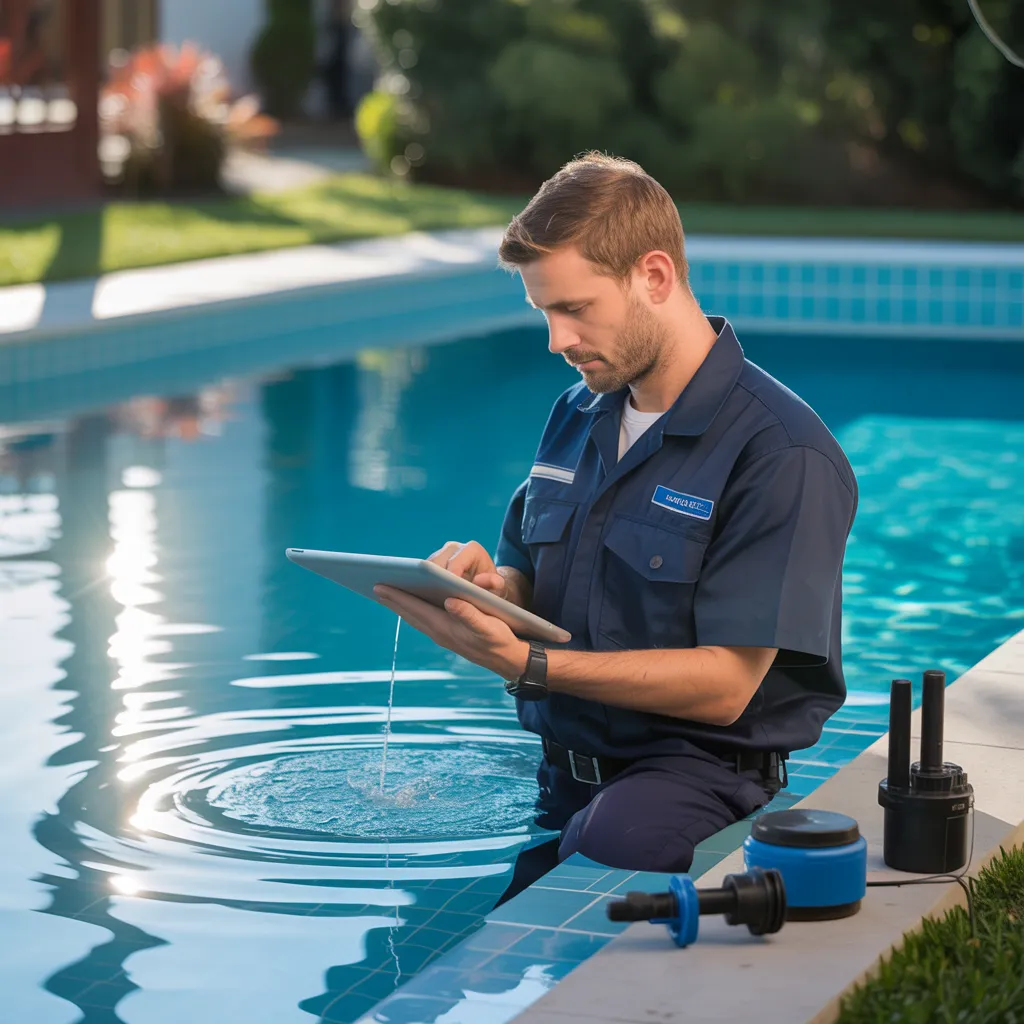
Regular Pool Issues
Swimming pool managers often encounter a assortment of standard concerns that demand focus. One prevalent problem is water purity, often resulting from inadequate filtration or uneven chemical levels. Green algae growth can also create obstacles, thriving in warm climates and poorly cared for water. Moreover, leaks are a regular worry, likely leading in significant water loss and increased utility bills.
An additional concern is the deterioration of pool areas, such as cracks in the plaster or tiles, which can damage aesthetics and safety. start now Equipment malfunctions, including pump failures or heater troubles, often interrupt pool enjoyment and necessitate timely repairs. Finally, debris collection from leaves, dirt, and insects can affect water quality and require frequent cleaning. Tackling these common issues in a timely fashion guarantees not only a safe swimming environment but also prolongs the life of the pool and its components, allowing for continued enjoyment throughout the swimming season.
Do-It-Yourself Repair Approaches
Undertaking pool repairs can be a gratifying project for homeowners wanting to save money and improve their maintenance skills. Typical problems, including leaking pool liners or cracked tiles, can be successfully handled with do-it-yourself approaches. For example, patching a vinyl liner can be done using a basic repair kit, ensuring a watertight seal. Homeowners can also tackle minor cracks in plaster or concrete pools with epoxy fillers, offering a durable solution.
Pool filter cleaning and maintenance is another important DIY task that can improve water clarity and circulation. Moreover, replacing worn or broken pool equipment such as pump parts or skimmers generally needs just basic tools and help from online resources. Learning these skills allows homeowners to save money on repairs and gain better insight into how their pool works, which contributes to a more pleasurable swimming experience all year long.
Affordable Seasonal Pool Maintenance Tips
Low-cost seasonal pool care is essential for increasing a pool's life and maintaining water quality. Consistent water testing, effective filter maintenance, and using protective covers can significantly minimize repair costs over time. Establishing these techniques helps maintain a fresh and protected swimming environment while adhering to your budget.
Frequent Water evaluation
Sound water chemistry is necessary for keeping a properly functioning pool operating smoothly. Regular pool analysis allows pool owners to assess pH levels, alkalinity, and chlorine concentration, verifying that the water remains sanitary and pleasurable. By examining the pool at least once a week, owners can uncover imbalances early on, thwarting pricey repairs and water quality issues. Test kits are easily obtainable and furnish quick results, making it accessible to regulate chemical levels as needed. Additionally, observing water hardness inhibits scaling and corrosion, lengthening the lifespan of pool equipment. Starting a steadfast water testing schedule not only betters the swimming experience but also develops a safe environment for family and friends, proving it a significant aspect of pool maintenance.
Quick Filter Cleaning
Preserving a pristine filter is vital for maximum pool productivity and persistence. Periodic attention thwarts particle buildup, which may produce impaired water circulation and magnified energy expenditures. Pool owners should contemplate maintaining the filter every 4 to 6 weeks, depending on usage and environmental situations. A straightforward application with a hose can handily shed surface dirt, whereas a rigorous clean might necessitate soaking in a specialized solution for a few hours. Likewise, evaluating and replenishing filter cartridges when appropriate will guarantee excellent filtration. Keeping the filter unblemished not merely boosts water clarity but also lengthens the lifespan of the pool infrastructure, ultimately producing lower maintenance costs and a more satisfying swimming experience all year.
Seasonal Cover Usage
Employing a premium pool cover can significantly improve pool maintenance while reducing costs. These covers function as a barrier against debris, decreasing the need for frequent cleaning and chemical treatments. By preventing leaves, dirt, and insects from getting into the pool, owners can save on filter upkeep and water usage. Additionally, a well-fitted cover maintains heat, lowering heating expenses during winter. Pool covers also protect the pool structure from severe weather conditions, possibly increasing its lifespan. To get the most value, it is important to choose a long-lasting, UV-protected material that fits the pool tightly. Consistently checking and caring for the cover guarantees its effectiveness, allowing affordable and effective year-round pool use while decreasing repair costs over time.
Reasonably priced Pool Repair Services
When homeowners encounter leaks or cracks in their swimming pools, they often pursue affordable pool repair services to restore their oasis without draining their wallet. These services handle a range of issues, from minor repairs to more serious foundational damage. Many companies offer competitive pricing, ensuring that pool care remains accessible throughout the year.
Homeowners should search for local service providers with good ratings and transparent pricing structures. Some companies may provide complimentary estimates, enabling property owners to plan their budget before making repairs. In addition, seasonal sales can help reduce expenses, easing the burden to address pressing repairs.
Vital Implements for DIY Pool Maintenance
When performing DIY pool repairs, possessing the right tools is vital for efficiency and safety. Basic repair tools, such as wrenches and sealants, establish the basis of any repair kit, while safety equipment ensures protection during the process. Understanding these vital components can empower homeowners to tackle repairs with confidence.
Fundamental Fix Tools You Need
A properly stocked toolbox is crucial for anyone tackling DIY pool repairs. Important implements include a mallet with rubber head, which aids in adjusting connections without damaging components, and a set of wrenches for tightening and loosening various components. A screwdriver set is also important, as it enables the repair of swimming pool panels and gear. For sealing leaks, a caulking gun and water-resistant sealant are necessary. A pool brush helps with surface cleaning prior to repair work, while a submersible pump can help remove extra water. Furthermore, a utility knife is handy for material cutting like pool liners. By keeping these essential tools on hand, swimming pool proprietors can efficiently address typical maintenance problems and maintain their swimming pools year-round.
Necessary Safety Apparatus
Safety gear is vital for anyone carrying out DIY pool repairs, ensuring both security and compliance with safety standards. Proper equipment entails safety goggles to defend the eyes from debris and chemicals, gloves to protect hands from sharp objects and hazards, and strong footwear to prevent slips and injuries. A hard hat is recommended when working under overhead hazards. Also, a first-aid kit should be accessible in case of minor injuries. For individuals working with electrical parts, insulated tools and a voltage tester are essential to avoid electric shock. By equipping themselves with these essentials, DIY enthusiasts can improve their safety while efficiently handling pool repair tasks. Emphasizing safety ultimately results in a more enjoyable repair experience.
Reducing Significant Pool Issues
Maintenance acts as the cornerstone for preventing major pool repairs. By adhering to a regular upkeep schedule, pool owners can identify and address potential issues before they worsen. Routine tasks such as skimming debris, cleaning filters, and balancing water chemistry are vital. Neglecting these simple actions may lead to more serious issues, including algae buildup or system breakdown.
Additionally, examining pool components—such as pumps, heaters, and liners—on a regular basis can catch wear and tear early. Addressing minor leaks or cracks promptly can avoid costly repairs down the line. Ensuring proper water levels and circulation helps preserve the structural integrity of the pool.
Moreover, spending effort to seasonal care, such as winterizing, can prevent the pool from experiencing seasonal wear and tear. Ultimately, diligent care not only prolongs the pool's working life but also shields the owner's capital, assuring sustained enjoyment for years to come.
Frequently Asked Questions
How Should I Take to Find a Quality Pool Repair Specialist Nearby?
To locate a credible pool repair service nearby, one can consult online reviews, ask for recommendations from friends, and browse local business directories. Evaluating quotes and verifying licenses also guarantees quality and trustworthiness in service.
What Are the Signals My Pool Demands Immediate Restoration?
Signs that a swimming pool calls for immediate restoration include cracks that are visible, drainage problems, water discoloration, noises that are unusual from machinery, and persistent algae growth. Addressing these issues without delay can hinder further damage and provide sound swimming conditions.
Can you obtain guarantees when using pool repair services?
Yes, many pool repair services offer warranties on parts and labor. These guarantees can fluctuate in duration and terms, so it's crucial for homeowners to question specifics before committing to any repair service.
How Regularly Should I Assess My Pool for Issues?
A pool should undergo regular inspections at least once a month. However, seasonal changes or heavy usage may call for more frequent evaluations to detect potential issues early and ensure ideal condition and protection.
What Is the Average Cost of a Pool Maintenance?
Pool repair costs typically range from $150 to $1,500 on average basis, varying based on the seriousness and kind of the problem. The overall costs can be considerably impacted by considerations like location and professional qualifications.